Goods with no GST
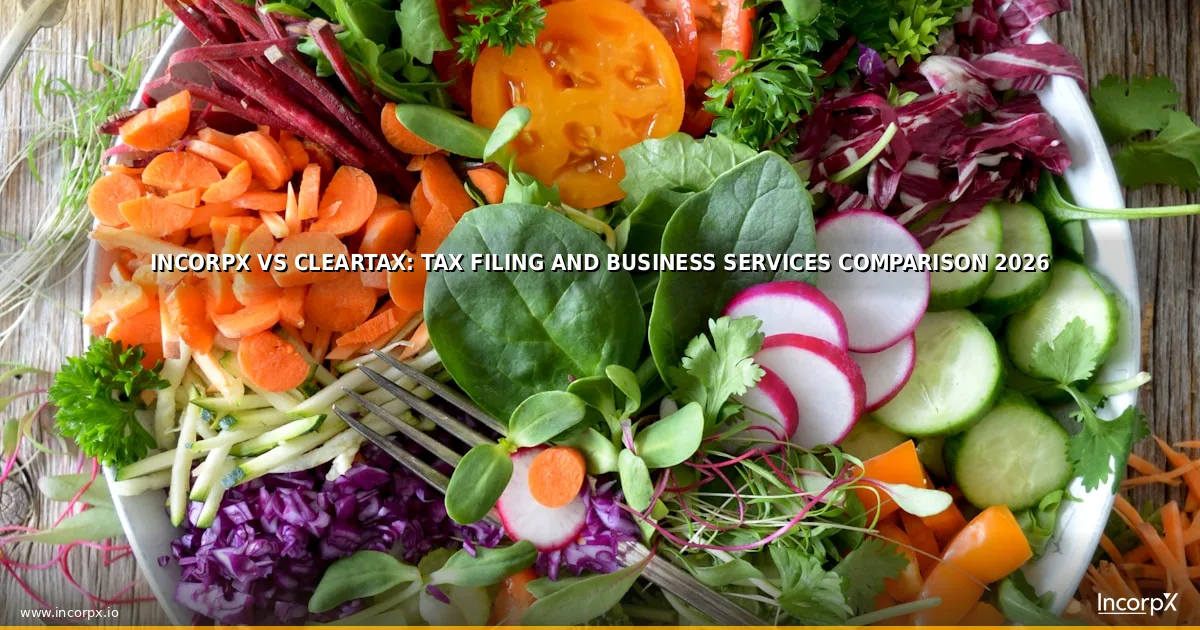
The schedule rates a long list of everyday goods at nil. Fresh and unprocessed food is most of it: cereals, pulses, fresh fruit and vegetables, milk, eggs, meat and fish that are not put up in unit containers with a registered brand name.
232 tariff codes of the HSN to GST schedule mapping are mapped to nil GST, across 38 chapters of the tariff, led by meat and edible meat offal, oil seeds and oleaginous fruits and wool, fine or coarse animal hair.
The brand and packing conditions are what catch people out. The same grain is nil loose and taxable once it is pre-packaged and labelled, so read the schedule entry and not just the product name. Printed books, newspapers, most contraceptives and several handloom items are also nil.
 Not sure your product belongs at this rate?An IncorpX GST advisor will check it, free
- GST rate
- Nil
- CGST + SGST
- Nothing to split
- IGST
- Nothing to charge
- Tariff codes mapped
- 232
- Chapters touched
- 38
- Schedule entries
- 136
- Services instead?
- Use a SAC code
Chapters with goods at Nil
Every chapter of the tariff that carries at least one code at this rate, with how many, grouped by the section it belongs to. The count is codes mapped to Nil, not the size of the chapter, so it reads as how much of this slab each product family accounts for.
What the schedule taxes at Nil
Thousands of 8-digit tariff items collapse onto a few hundred schedule entries, so this is the notification's wording rather than the tariff's, with the number of codes that hang off each entry. An entry marked conditional applies only where its condition is met.
Asses, mules and hinnies
Meat, and edible offal, of the poultry of heading 0105, fresh, chilled - other than in frozen state and put up in unit containers
Edible offal of bovine animals, swine, sheep, goats, horses, asses, mules or hinnies, fresh or chilled - other than in frozen state and put up in unit containers
Meat of sheep or goats, fresh or chilled- other than in frozen state and put up in unit containers
Other meat and edible meat offal, fresh, chilled - other than in frozen state and put up in unit containers
Meat of bovine animals, fresh and chilled- other than in frozen state and put up in unit containers
Meat of swine, fresh or chilled- other than in frozen state and put up in unit containers
Pig fat, free of lean meat and poutry fat, not rendered or otherwise extracted, fresh, chilled- other than in frozen state and put up in unit
Meat of horses, asses, mules or hinnies, fresh or chilled- other than in frozen state and put up in unit containers
Live fish
Fish, fresh or chilled, excluding fish fillets and other fish meat of heading 0304
Fish fillets and other fish meat (whether or not minced), fresh, chilled
Crustaceans, whether in shell or not, live, fresh, chilled, crustaceans in shell or not, cooked by steaming or by boiling in water, chilled,
Molluscs, whether in shell or not, live, fresh, chilled; aquatic invertebrates other than crustaceans and molluscs, live, fresh, chilled.
Aquatic invertebrates other than crustaceans and molluscs, live, fresh, chilled,
Milk and cream, not concentrated nor containing added sugar or other sweetening matter-excluding ultra high temperature (uht) milk
Butter milk
Curd
Lassi
Curd
Chena or paneer other than put up in unit containers and bearing a registered brand name.
Birds' eggs, in shell, fresh, preserved or cooked
Natural honey, other than put up in unit containers and bearing a registered brand name.
Human hair, unworked, whether or not washed or scoured; waste of human hair
Bones and horn-cores, unworked, defatted, simply prepared (but not cut to shape), treated with acid or degelatinised powder and waste of these products
Hoof meal, horn meal, etc
Semen including frozen semen
Other live plants (including their roots), cuttings and slips; mushroom spawn
Cut flowers and flower buds of a kind suitable for bouquets or for ornamental purposes, fresh, dried, dyed, bleached, impregnated or otherwise prepared
Foliage, branches and other parts of plants, without flowers or flower buds, and grasses, mosses and lichens, being goods of a kind suitable for bouquets or for ornamental purposes, fresh, dried, dyed, bleached, impregnated or otherwise prepared
Potatoes, fresh or chilled
Tomatoes, fresh or chilled
Onions, shallots, garlic, leeks and other alliaceous vegetables, fresh or chilled
Cabbages, cauliflowers, kohlrabi, kale and similar edible brassicas, fresh or chilled
Lettuce (lactucasativa) and chicory (cichorium SPP.), fresh or chilled
Carrots, turnips, salad beetroot, salsify, celeriac, radishes and similar edible roots, fresh or chilled
Cucumbers or gherkins, fresh or chilled
Leguminous vegetables, shelled or unshelled, fresh or chilled
Other vegetables, fresh or chilled
Dried leguminous vegetables, shelled, whether or not skinned or split- other than put up in unit container and bearing a registered brand name
Manioc, arrowroot, salep, jerusalem artichokes, sweet potatoes and similar roots and tubers with high starch or inulin content, fresh, chilled, frozen or dried, whether or not sliced or in the form of pellets; sago pith
Coconuts, fresh or dried, whether or not shelled or peeled-other than in frozen state or preserved
Bananas, including plantains, fresh or dried
Citrus fruit, such as oranges, mandarins (including tangerines and satsumas); clementines, wilkings and similar citrus hybrids, grapefruit, including pomelos, lemons (citrus limon, citrus limonum) and limes (citrus aurantifolia, citrus latifolia), fresh
Grapes, fresh
Melons (including watermelons) and papaws (papayas), fresh
Apples, pears and quinces, fresh
Apricots, cherries, peaches (including nectarines), plums and soles, fresh
Peel of citrus fruit or melons (including watermelons), fresh
Coffee beans, not roasted
Unprocesssed green leaves of tea
Fresh ginger-other than in processed form
Fresh turmeric-other than in processed form
Wheat and meslin- other than those put up in unit container and bearing a registered brand name
Rye- other than those put up in unit container and bearing a registered brand name
Barley- other than those put up in unit container and bearing a registered brand name
Oats- other than those put up in unit container and bearing a registered brand name
Maize(corn)- other than those put up in unit container and bearing a registered brand name
Rice- other than those put up in unit container and bearing a registered brand name
Grain sorghum- other than those put up in unit container and bearing a registered brand name
Buckwheat, millet and canary seed; other cereals such as jawar, bajra, ragi- other than those put up in unit container and bearing a registered brand name
FLOUR, AATA, MAIDA, BESAN etc.- OTHER THAN THOSE PUT UP IN UNIT CONTAINER AND BEARING A REGISTERED BRAND NAME
Cereal grains- hulled
Wheat or meslin flour
CEREAL FLOURS OTHER THAN THAT OF WHEAT OR MESLIN i.e. MAIZE (CORN) FLOUR, RYE FLOUR, etc.
Cereal groats, meal and pellets- other than those put up in unit container and bearing a registered brand name
Flour, of the dried leguminous vegetables of heading 0713 (pulses), of sago or of roots or tubers of heading 0714 or of the products of chapter 8 i.e. of tamarind, of singoda, mango flour, etc.
Other oil seeds and oleaginous fruits, whether or not broken- seed quality
Plants and parts of plants (including seeds and fruits), of a kind used primarily in perfumery, in pharmacy or for insecticidal, fungicidal or similar purpose, fresh or dried, whether or not cut, crushed or powdered-seed quality
Ground-nuts, not roasted or otherwise cooked, whether or not shelled or broken-seed quality
Soya beans, whether or not broken-seed quality
Rape or colza seeds, whether or not broken- seed quality
Sunflower seeds, whether or not broken-seed quality
Seeds, fruit and spores, of a kind used for sowing
Hop cones, fresh
Locust beans, seaweeds and other algae, sugar beet and sugarcane, fresh or chilled,
Cereal straw and husks, unprepared, whether or not chopped, ground, pressed or in the form of pellets
Swedes, mangolds, fodder roots, hay, lucerne (alfalfa), clover, sainfoin, forage kale, lupines, vetches and similar forage products, whether or not in the form of pellets
Lac and shellac
Betel leaves
Cane jaggery (gur)
Palmyra jaggery
Puffed rice, commonly known as muri, flattened or beaten rice, commonly known as chira, parched rice, commonly known as khoi, parched paddy or rice coated with sugar or gur, commonly known as murki
Pappad, by whatever name it is known, except when served for consumption
Bread (branded or otherwise), except when served for consumption and pizza bread
Prasadam supplied by religious places like temples, mosques, churches, gurudwaras, dargahs, etc.
Water -(other than aerated, mineral, purified, distilled, medicinal, ionic, battery, de-mineralized and water sold in sealed container)
Non-alcoholic toddy, neera
Tender coconut water -other than put up in unit container and bearing a registered brand name
Aquatic feed, poultry feed & cattle feed, including grass, hay & straw, supplement & husk of pulses, concentrates & additives, wheat bran & de-oiled cake
Aquatic feed, poultry feed & cattle feed, including grass, hay & straw, supplement & husk of pulses, concentrates & additives, wheat bran & de-oiled cake
Aquatic feed, poultry feed & cattle feed, including grass, hay & straw, supplement & husk of pulses, concentrates & additives, wheat bran & de-oiled cake
Aquatic feed, poultry feed & cattle feed, including grass, hay & straw, supplement & husk of pulses, concentrates & additives, wheat bran & de-oiled cake
Salt-all types
Electrical energy
Aviation turbine fuel (ATF)
Human blood and its components
Animal or vegetable fertilisers, whether or not
Animal or vegetable fertilisers, whether or not mixed together or chemically treated; fertilisers produced by the mixing or chemical treatment of animal or vegetable products
Plastic Bangles
HYGIENIC OR PHARMACEUTICAL ARTICLES (INCLUDING TEATS), OF VULCANISED RUBBER OTHER THAN HARD RUBBER, WITH OR WITHOUT FITTINGS OF HARD RUBBER - Sheath contraceptives (Condoms and contraceptives)
FUEL WOOD, IN LOGS, IN BILLETS, IN TWIGS, IN FAGGOTS OR IN SIMILAR FORMS; WOOD IN CHIPS OR PARTICLES; SAWDUST AND WOOD WASTE AND SCRAP, WHETHER OR NOT AGGLOMERATED IN LOGS, BRIQUETTES, PELLETS OR SIMILAR FORMS - Fuel wood, in logs, in billets, in twigs, in faggots or in similar forms :
Wood waste and scrap, wood charcoal (including shell or nut charcoal), whether or not agglomerated
Printed books, brochures, leaflets and similar printed matter, whether or not in single sheets brochures, leaflets and similar printed matter, whether or not in single sheets
Newspapers, journals and periodicals, whether or not i llustrated or containing advertising material
Maps and hydrographic or similar charts of all kinds, including atlases, wall maps, topographical plans and globes, printed
Silk-worm cocoons suitable for reeling
Mulberry dupion silk
Mulberry raw silk
Non-mulberry silk
Eri waste
Mulberry silk waste
Munga waste
Other
Tussar silk waste
Other
Shorn wool
Marine Angora
Other
Other
Carb430430onised
Goat hair (other than Angora)
Other (excluding pig and boar bristles)
Noils of wool
Waste of coarse animal hair
Waste of sheep's and lamb's wool
Yarn waste
Jute, raw or retted
Coir bristles fibre, coir mattress fibre, coir short fibre, coir bit fibre, decorticated coir fibre
Curled or machine twisted coir fibre
Human hair, dressed, thinned, bleached or otherwise worked
Clay articles
Amber Charkha
Handlooms
parts 8801
Chalk Sticks
HSN codes mapped to Nil
A sample of the 8-digit tariff items the schedule maps to this rate. Open any of them for the official description, every schedule row that touches it, the CGST and SGST split and a calculator.
GST calculator for
Enter a price to see the tax breakup at the selected slab.
Indicative math for planning, excluding any cess. Verify the current notified rate before invoicing.
GST rates shown here are as published in HSN to GST code and GST rate schedule mapping (as published 30.06.2017) and are reproduced for reference. The GST Council revises rates through notifications, including the slab rationalization effective 22.09.2025 that moved many goods from the 12% and 28% slabs. Always verify the current rate on the CBIC GST rates page or CBIC tax information portal before invoicing or filing. Rates shown exclude any applicable compensation cess. IncorpX provides assistance for GST registration and return filing if you need help.
- Tariff structure and descriptions: Guidebook on Mapping of HSN Codes, Department for Promotion of Industry and Internal Trade (dpiit.gov.in), revised 16.12.2025.
- GST rate mapping: HSN to GST code and GST rate schedule mapping (as published 30.06.2017), Central Board of Indirect Taxes and Customs (cbic-gst.gov.in).
- Current rates: GST Council notifications, including the rate rationalization effective 22.09.2025, published on the CBIC tax information portal.
This directory reproduces government classifications for reference. The official gazette and CBIC notifications remain the authoritative sources. IncorpX provides assistance for registrations and filings that use these codes and does not issue the classification or the rates itself.
Nil rated goods questions
Which goods are taxed at nil GST?
232 tariff codes of the HSN to GST schedule mapping are mapped to nil GST, across 38 chapters of the tariff, led by meat and edible meat offal, oil seeds and oleaginous fruits and wool, fine or coarse animal hair. The brand and packing conditions are what catch people out. The same grain is nil loose and taxable once it is pre-packaged and labelled, so read the schedule entry and not just the product name. Printed books, newspapers, most contraceptives and several handloom items are also nil.
How is Nil split between CGST and SGST?
There is nothing to split. No GST is charged on a nil-rated supply, so no CGST, SGST or IGST arises on it.
Can the same HSN code carry more than one rate?
Yes, and it is common. Many schedule entries are conditional on sale value, packing, branding or end use, so one 8-digit code can appear at two slabs. Every code page in this directory shows all the schedule rows mapped to it, with the condition against each, rather than picking one for you.
Do I get input tax credit at nil rate?
No. A nil-rated or exempt supply carries no output tax, and input tax credit on the inputs used to make it is not available. Rules 42 and 43 of the CGST Rules set out how credit is reversed where a business makes both taxable and exempt supplies.
Did this rate change on 22 September 2025?
The 56th GST Council rationalised the slab structure with effect from 22 September 2025, withdrawing the 12% and 28% slabs for most goods and creating a 40% demerit rate. The rates on this page are reproduced from the published schedule mapping named below. Always verify the current rate for your product on the CBIC portal before invoicing.
What is the difference between an HSN code and a SAC code?
HSN codes classify goods and SAC codes classify services. If you supply goods you quote an HSN code on the invoice, and if you supply services you quote a SAC code. A business that supplies both uses each on the respective invoice lines, and both go into the same HSN and SAC summary table of GSTR-1.

Not sure this is the right GST rate for your products?
Share what you sell and an IncorpX advisor will help you confirm the correct HSN code and the GST treatment that applies, before you invoice or file. Free, with no obligation. IncorpX provides assistance for GST registration and return filing; applications are always filed in your name with the tax authorities.



 Nebin Binoy