25 Profitable Low-Investment Business Ideas in India for 2026-27
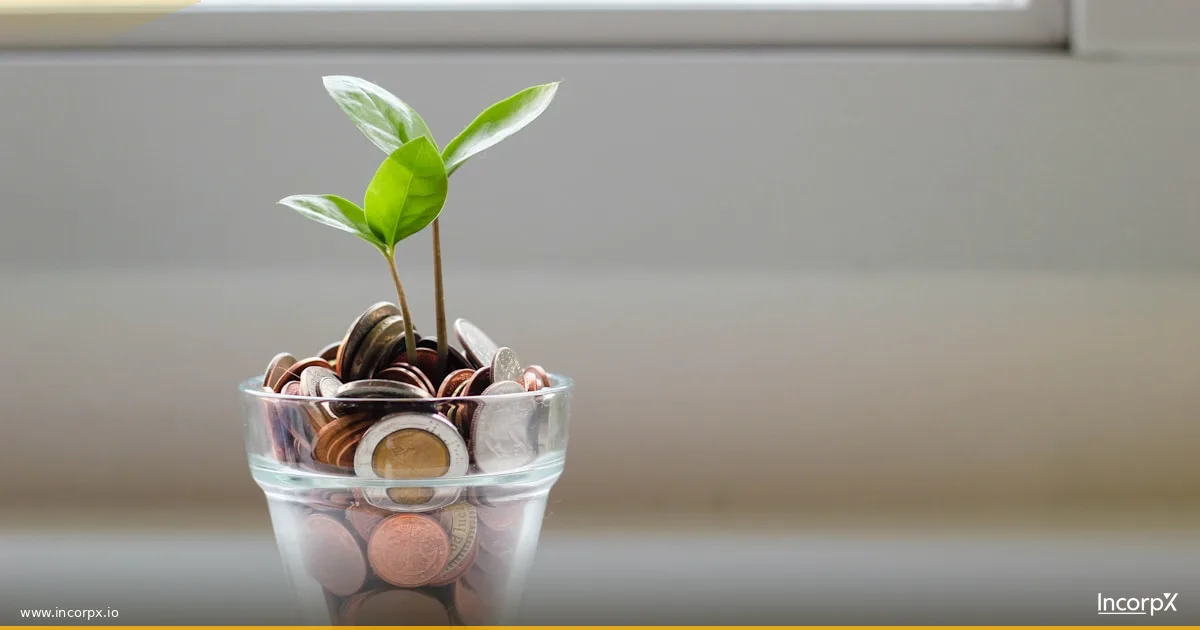
India recorded 14.6 lakh new company and LLP registrations in FY 2025-26, the highest in any single financial year according to MCA data. Behind this surge is a generation of entrepreneurs starting businesses with under ₹1 lakh, powered by digital tools, government schemes like Mudra Loans and Startup India, and platforms that connect sellers to buyers without middlemen. Whether you are a college student, a working professional exploring a side income, or someone building a full-time venture, the opportunities for low-investment businesses in India have never been wider. This guide covers 25 tested business ideas across digital, service, food, retail, and manufacturing categories, with specific investment figures, registration requirements, and realistic monthly income expectations for 2026-27.
- 15 of the 25 business ideas require less than ₹25,000 to start
- Digital and service businesses offer the highest profit margins (40% to 70%) with minimal inventory
- Every business earning above ₹20 lakh annually needs GST registration
- MSME Udyam Registration (free) gives access to collateral-free loans, subsidy schemes, and government tender preference
- Mudra Loans provide ₹50,000 to ₹10 lakh without collateral for micro and small businesses
- Food businesses need FSSAI registration starting at ₹100 per year
Why Low-Investment Businesses Are Booming in India
Three structural shifts have made 2026-27 the best time to start a low-investment business in India. First, digital infrastructure: UPI processed over 16 billion transactions in March 2025 alone (NPCI data), meaning any business can accept payments from day one without a POS machine or merchant account. Second, government policy: the Mudra Loan scheme has disbursed over ₹27 lakh crore since inception across 48 crore accounts, while the MSMED Act, 2006 protects small business payments with a 45-day mandatory settlement rule. Third, platform economy: marketplaces like Amazon, Flipkart, Swiggy, Urban Company, and Fiverr give micro-entrepreneurs access to millions of customers without building their own distribution network.
The cost of failure has also dropped. A sole proprietorship costs ₹0 to register, a domain name costs ₹500 per year, and cloud-based tools like Canva, Zoho, and Google Workspace provide enterprise-level capabilities for under ₹2,000 monthly. The real barrier is no longer capital; it is execution, consistency, and choosing the right idea for your skills and market.
Digital and Online Business Ideas
Digital businesses offer the highest margins and lowest startup costs because your primary investment is time and skill. These 6 ideas work for anyone with a laptop, internet connection, and willingness to learn.
1. Content Writing and Copywriting Agency
Investment: ₹5,000 to ₹15,000 (laptop, internet, Grammarly subscription). Content demand in India is growing at 25% annually as businesses invest in SEO, social media, and email marketing. Start by offering blog writing, website copy, and social media content to local businesses. Freelance platforms like Upwork, Fiverr, and Pepper Content connect writers with clients. A skilled content writer in India earns ₹20,000 to ₹80,000 monthly within 6 to 12 months. Register as a sole proprietorship and apply for GST registration once annual income crosses ₹20 lakh. Scale by hiring junior writers and becoming an agency.
2. Social Media Management
Investment: ₹5,000 to ₹20,000 (design tools, scheduling software). Over 40 crore Indians use Instagram, and every local business, from restaurants to gyms, needs a social media presence. Offer content creation, posting schedules, Reel production, and engagement management. Charge ₹8,000 to ₹25,000 per client monthly. Managing 5 to 8 clients generates ₹40,000 to ₹1.5 lakh monthly income. Use Canva for design, Buffer or Later for scheduling, and Meta Business Suite for analytics. No specific license is needed beyond basic business registration.
3. Dropshipping and E-commerce Store
Investment: ₹10,000 to ₹50,000 (Shopify/WooCommerce setup, marketing budget). Dropshipping eliminates inventory risk since you list products from suppliers and only purchase after receiving customer orders. Popular niches in India include phone accessories, home decor, fitness equipment, and pet products. Monthly income ranges from ₹15,000 to ₹1 lakh depending on niche and marketing efficiency. You need GST registration to sell on marketplaces or collect payments through payment gateways. Margins are typically 15% to 30% per order.
4. Online Tutoring and Coaching
Investment: ₹5,000 to ₹20,000 (webcam, microphone, whiteboard software). India's online education market is projected to reach $30 billion by 2028 (RedSeer Consulting). Teach school subjects, competitive exam preparation (UPSC, CAT, JEE), spoken English, coding, or music through Zoom, Google Meet, or platforms like Vedantu, Chegg, and Preply. Experienced tutors earn ₹30,000 to ₹1 lakh monthly. Group classes increase hourly earnings significantly. No specific license is required, but a professional qualification boosts credibility and pricing power.
5. Graphic Design and Branding Services
Investment: ₹10,000 to ₹30,000 (design software, portfolio website). Every new business needs a logo, business cards, social media templates, and branding materials. Learn Adobe Illustrator, Figma, or Canva Pro and start offering design services on Fiverr, 99designs, or directly to local businesses. A skilled designer earns ₹25,000 to ₹1.2 lakh monthly in India. Build a portfolio of 10 to 15 strong projects to attract higher-paying clients. Register as a sole proprietorship and file ITR-4 under presumptive taxation if turnover stays below ₹75 lakh.
6. Affiliate Marketing and Blogging
Investment: ₹5,000 to ₹15,000 (domain, hosting, SEO tools). Build a niche blog or YouTube channel and earn commissions by promoting products through Amazon Associates, Flipkart Affiliate, or software affiliate programmes. Popular niches include personal finance, technology reviews, health and wellness, and education. Income takes 6 to 12 months to build but becomes passive once established, with top Indian affiliate marketers earning ₹50,000 to ₹5 lakh monthly. Requires consistent content creation, basic SEO knowledge, and patience.
Register Your Digital Business
Sole Proprietorship registration starting at ₹999. Get GST, MSME, and PAN setup in 3 to 5 working days.
Start Your Business RegistrationService-Based Business Ideas
Service businesses convert your existing skills into income with minimal upfront cost. The investment goes into tools, certifications, and initial marketing rather than inventory or manufacturing equipment.
7. Home and Office Cleaning Services
Investment: ₹15,000 to ₹50,000 (cleaning equipment, uniform, transport). Urban demand for professional cleaning services has grown 3x since 2020, driven by dual-income households and corporate offices. Start with residential deep-cleaning and expand to office maintenance contracts. Charge ₹1,500 to ₹5,000 per session depending on area size. With 3 to 5 bookings daily, monthly income reaches ₹40,000 to ₹1.5 lakh. Register on Urban Company, Housejoy, or build your own client base through Google Business Profile and local marketing. Shops and Establishment registration is required.
8. Event Planning and Management
Investment: ₹20,000 to ₹75,000 (portfolio development, vendor network, marketing). India's event management market exceeds ₹10,000 crore annually. Start with birthday parties, small weddings, corporate events, and college festivals. Build relationships with caterers, decorators, photographers, and venue owners to negotiate bulk rates. Event planners earn 10% to 20% commission on total event budgets, translating to ₹25,000 to ₹2 lakh per event. No specific license is needed, but a registered business entity helps when signing vendor contracts.
9. Photography and Videography
Investment: ₹30,000 to ₹1 lakh (camera, lighting, editing software). Wedding photography alone is a ₹40,000 crore market in India. Start with portrait photography, product shoots for e-commerce sellers, event coverage, and social media content creation. A single wedding shoot pays ₹15,000 to ₹1 lakh depending on city and experience. Product photography for Amazon and Flipkart sellers pays ₹500 to ₹2,000 per product. Invest in a decent DSLR or mirrorless camera, basic lighting, and Adobe Lightroom. Register your business and maintain GST compliance once earnings cross the threshold.
10. Personal Fitness Training
Investment: ₹10,000 to ₹50,000 (certification, basic equipment, marketing). India's fitness industry is valued at ₹37,000 crore (2025), with personal training being the fastest-growing segment. Get certified through ACE, ISSA, or K11 Academy and offer one-on-one training at clients' homes, parks, or online via Zoom. Charge ₹3,000 to ₹15,000 per client monthly. Managing 10 to 20 clients generates ₹50,000 to ₹2 lakh monthly. Online group fitness classes scale better with ₹500 to ₹2,000 per participant for 4-week programmes.
11. Tax, Accounting, and Bookkeeping Services
Investment: ₹10,000 to ₹30,000 (accounting software, marketing). With over 1 crore active companies and 1.4 crore GST registrations in India, demand for bookkeeping and tax filing assistance is constant year-round. If you have a commerce background, offer ITR filing (₹500 to ₹5,000 per return), GST return filing (₹1,000 to ₹3,000 monthly), and basic bookkeeping (₹3,000 to ₹10,000 monthly per client). Use Zoho Books or Tally Prime. A portfolio of 20 to 30 regular clients generates ₹40,000 to ₹1.5 lakh monthly.
12. Interior Design Consultation
Investment: ₹15,000 to ₹50,000 (design software, sample materials, portfolio). India's interior design market is projected to exceed ₹50,000 crore by 2027. Start by offering design consultations for residential apartments (₹10,000 to ₹50,000 per project) and small commercial spaces. Use SketchUp (free version), Canva, and Pinterest for mood boards and presentations. Partner with carpenters, electricians, and material suppliers for execution. Income ranges from ₹30,000 to ₹1.5 lakh monthly with 2 to 4 active projects. No formal license is required, though a degree or certification commands higher fees.
Food and Beverage Business Ideas
Food businesses are India's most popular entrepreneurship entry point. The key compliance requirement is FSSAI registration, which costs as little as ₹100 per year for small operators. These ideas range from zero-kitchen models to small-scale production units.
13. Tiffin and Meal Delivery Service
Investment: ₹15,000 to ₹50,000 (kitchen upgrades, packaging, delivery containers). Working professionals in metro cities pay ₹3,000 to ₹5,000 monthly for homestyle meal subscriptions. Start with 20 to 30 subscribers in your locality and scale through word-of-mouth and WhatsApp groups. With 50 subscribers at ₹4,000 monthly, gross revenue reaches ₹2 lakh with 40% to 50% profit margins. FSSAI Basic Registration (₹100/year) is mandatory. Tie up with delivery partners like Swiggy Genie or Dunzo for last-mile delivery if you cannot handle it yourself.
14. Cloud Kitchen (Home-Based)
Investment: ₹50,000 to ₹1 lakh (kitchen equipment, packaging, aggregator onboarding). A home-based cloud kitchen prepares food exclusively for delivery through Swiggy, Zomato, or your own ordering system. Focus on one cuisine or speciality (biryani, momos, healthy bowls, desserts) to build a brand. Monthly income ranges from ₹30,000 to ₹1.5 lakh after aggregator commissions (15% to 30%). You need FSSAI registration, GST registration once turnover exceeds ₹20 lakh, a trade license, and municipal permission for commercial cooking from a residential address. Read our detailed cloud kitchen registration guide for the complete compliance checklist.
15. Homemade Snacks, Pickles, and Packaged Foods
Investment: ₹10,000 to ₹50,000 (ingredients, packaging, labelling). Traditional Indian snacks like namkeens, murukku, pickles, and sweets have consistent demand. Sell through local retail shops, WhatsApp orders, and platforms like Amazon, Flipkart, and JioMart. FSSAI mandates a 14-digit license number printed on every food package. Margins on homemade food products range from 40% to 60%. Monthly income of ₹20,000 to ₹80,000 is achievable within 6 months. FSSAI Basic Registration is mandatory. Trademark your brand name for long-term protection.
16. Juice Bar and Smoothie Cart
Investment: ₹30,000 to ₹80,000 (juicer, blender, cart/kiosk, initial ingredients). Fresh juice and smoothie businesses thrive near gyms, offices, colleges, and residential complexes. A mobile cart reduces rent costs to near zero. Average selling price of ₹60 to ₹150 per glass with 50% to 65% margins. Selling 80 to 120 glasses daily generates ₹50,000 to ₹1.2 lakh monthly revenue. Required registrations: FSSAI license, trade license, and hawker's permit or municipal vending certificate under the Street Vendors (Protection of Livelihood) Act, 2014.
17. Bakery and Confectionery (Home-Based)
Investment: ₹20,000 to ₹75,000 (oven, mixer, baking supplies, packaging). Custom cakes, brownies, cookies, and artisan breads sell well through Instagram, WhatsApp, and local orders. Birthday and wedding cakes command ₹1,000 to ₹10,000 per order. Monthly income of ₹25,000 to ₹1 lakh is realistic with 15 to 25 weekly orders. Get FSSAI registration, invest in food-grade packaging, and build an Instagram portfolio with high-quality photos. MSME registration opens access to subsidised loans for equipment upgrades.
Operating any food business without FSSAI registration attracts penalties up to ₹5 lakh under the Food Safety and Standards Act, 2006. Display your 14-digit FSSAI number on all packaging, menus, and aggregator listings. Aggregator platforms like Swiggy and Zomato will reject onboarding applications without a valid FSSAI number.
Retail and E-Commerce Business Ideas
Retail businesses require slightly higher investment for inventory but benefit from repeat purchases and tangible product value. The e-commerce route reduces the need for a physical storefront.
18. Mobile Accessories and Electronics Store
Investment: ₹30,000 to ₹1 lakh (initial inventory, display setup). India has over 120 crore mobile phone users, and accessories (covers, chargers, screen protectors, earphones) have 60% to 200% markups. Start with an online store on Amazon, Flipkart, or Meesho and expand to a small kiosk. Monthly income of ₹25,000 to ₹1 lakh depends on product range and customer base. GST registration is mandatory for e-commerce sellers regardless of turnover. Source products from wholesale markets in Delhi (Gaffar Market), Mumbai (Lamington Road), or directly from Alibaba.
19. Print-on-Demand Business
Investment: ₹5,000 to ₹20,000 (design tools, platform setup). Print-on-demand eliminates inventory risk entirely. You create designs for t-shirts, mugs, phone cases, and posters. When a customer orders, the printing partner produces and ships the product. Platforms like Blinkstore, Printrove, and Vistaprint India handle production and logistics. Margins are ₹100 to ₹500 per item. Focus on niche audiences: college communities, pop culture, regional language designs, and corporate merchandise. Monthly income of ₹10,000 to ₹60,000 grows with design catalogue size and marketing efforts.
20. Organic and Natural Products Store
Investment: ₹25,000 to ₹75,000 (initial inventory, e-commerce setup). India's organic food market is growing at 20% CAGR and is projected to reach ₹75,000 crore by 2027 (ASSOCHAM). Curate and sell organic groceries, cold-pressed oils, natural skincare, and eco-friendly home products. Source from farmer cooperatives, organic-certified producers, or manufacture your own products. Sell through your own website, Amazon, and local WhatsApp groups. Margins range from 30% to 50%. FSSAI registration is needed for food items, and you should verify FSSAI/organic certification of your suppliers.
21. Thrift and Pre-Owned Fashion Store
Investment: ₹10,000 to ₹40,000 (initial inventory sourcing, photography, online setup). India's second-hand fashion market is valued at ₹35,000 crore (2025), fuelled by sustainability consciousness among Gen Z and millennials. Source pre-owned clothing through collection drives, bulk buyers, and import channels. Sell on Instagram, OLX, and dedicated platforms like Kiabza and Poshmark India. Margins of 100% to 300% are common since sourcing costs are extremely low. No special license is needed beyond standard business registration and GST compliance for online sales.
Manufacturing and Production Business Ideas
Small-scale manufacturing businesses convert raw materials into finished products. They qualify for MSME benefits, government subsidies, and have strong moats against competition once production quality and distribution are established.
22. Candle and Fragrance Making
Investment: ₹10,000 to ₹50,000 (wax, moulds, fragrances, packaging). India's candle market exceeds ₹2,500 crore annually, with demand peaking during Diwali, Christmas, and wedding seasons. Scented, decorative, and aromatherapy candles sell at ₹200 to ₹2,000 per unit with 50% to 70% margins. Sell on Instagram, Amazon Handmade, and through retail gifting stores. Monthly income of ₹20,000 to ₹80,000 is achievable. Udyam Registration provides access to credit schemes and government exhibition participation. No special manufacturing license is needed for small-scale candle production.
23. Paper Bag and Packaging Manufacturing
Investment: ₹50,000 to ₹1 lakh (paper bag making machine, raw materials). The nationwide single-use plastic ban (effective July 2022) has created massive demand for paper bags. A semi-automatic paper bag machine costs ₹30,000 to ₹70,000 and produces 1,500 to 3,000 bags daily. Sell to retail shops, restaurants, grocery stores, and sweet shops. Price per bag: ₹2 to ₹8 depending on size and quality. Monthly income ranges from ₹30,000 to ₹1 lakh. Obtain a Pollution Control Board consent (if manufacturing above a certain scale) and MSME registration for subsidies.
24. Agarbatti (Incense Stick) Manufacturing
Investment: ₹15,000 to ₹75,000 (manual or semi-automatic machine, raw materials). India produces over 1,200 tonnes of incense sticks daily, and domestic consumption drives 80% of demand. A semi-automatic agarbatti-making machine costs ₹25,000 to ₹50,000 and produces 10 to 15 kg per hour. Raw materials (bamboo sticks, charcoal powder, jigat) cost ₹100 to ₹150 per kg. Selling price: ₹200 to ₹350 per kg. Monthly income of ₹25,000 to ₹80,000 with consistent local distribution. The KVIC and Coir Board offer 25% to 40% subsidies on machinery under PMEGP for this sector.
25. Handmade Soap and Natural Cosmetics
Investment: ₹15,000 to ₹60,000 (ingredients, moulds, packaging, labelling). The Indian natural and organic personal care market is growing at 15% CAGR. Handmade soaps using essential oils, herbs, and natural ingredients sell at ₹150 to ₹500 per bar with 60% to 70% margins. Sell through Instagram, craft fairs, organic stores, and Amazon. Monthly income of ₹20,000 to ₹80,000 is realistic with consistent production and branding. You need a cosmetic manufacturing license from the state Drug Controller under the Drugs and Cosmetics Act, 1940 if selling commercially. FSSAI is not needed since soaps are not food products.
Register as an MSME and Access Government Subsidies
Free Udyam Registration provides access to Mudra Loans, CGTMSE collateral-free credit, and manufacturing subsidies under PMEGP.
Get Udyam RegistrationInvestment Comparison: All 25 Business Ideas at a Glance
This table compares the startup investment, expected monthly income, time to profitability, and key registration requirements for all 25 business ideas. Use it to shortlist options based on your available capital and skills.
| Business Idea | Investment Range | Monthly Income | Time to Profit | Key Registration |
|---|---|---|---|---|
| Content Writing Agency | ₹5,000 to ₹15,000 | ₹20,000 to ₹80,000 | 1 to 3 months | Sole Prop + GST |
| Social Media Management | ₹5,000 to ₹20,000 | ₹40,000 to ₹1.5 lakh | 1 to 3 months | Sole Prop + GST |
| Dropshipping Store | ₹10,000 to ₹50,000 | ₹15,000 to ₹1 lakh | 2 to 4 months | GST (mandatory) |
| Online Tutoring | ₹5,000 to ₹20,000 | ₹30,000 to ₹1 lakh | 1 to 2 months | Sole Prop |
| Graphic Design Services | ₹10,000 to ₹30,000 | ₹25,000 to ₹1.2 lakh | 2 to 4 months | Sole Prop + GST |
| Affiliate Marketing | ₹5,000 to ₹15,000 | ₹50,000 to ₹5 lakh | 6 to 12 months | PAN + GST |
| Cleaning Services | ₹15,000 to ₹50,000 | ₹40,000 to ₹1.5 lakh | 1 to 3 months | S&E + GST |
| Event Planning | ₹20,000 to ₹75,000 | ₹25,000 to ₹2 lakh | 2 to 4 months | Sole Prop/LLP |
| Photography | ₹30,000 to ₹1 lakh | ₹15,000 to ₹1 lakh | 2 to 4 months | Sole Prop + GST |
| Fitness Training | ₹10,000 to ₹50,000 | ₹50,000 to ₹2 lakh | 1 to 3 months | Sole Prop + Cert |
| Tax/Bookkeeping Services | ₹10,000 to ₹30,000 | ₹40,000 to ₹1.5 lakh | 2 to 4 months | Sole Prop + GST |
| Interior Design | ₹15,000 to ₹50,000 | ₹30,000 to ₹1.5 lakh | 3 to 6 months | Sole Prop |
| Tiffin Service | ₹15,000 to ₹50,000 | ₹30,000 to ₹1 lakh | 1 to 2 months | FSSAI + Trade License |
| Cloud Kitchen | ₹50,000 to ₹1 lakh | ₹30,000 to ₹1.5 lakh | 2 to 4 months | FSSAI + GST + Trade |
| Packaged Snacks/Pickles | ₹10,000 to ₹50,000 | ₹20,000 to ₹80,000 | 2 to 4 months | FSSAI + GST |
| Juice Bar/Cart | ₹30,000 to ₹80,000 | ₹50,000 to ₹1.2 lakh | 1 to 2 months | FSSAI + Vending Permit |
| Home Bakery | ₹20,000 to ₹75,000 | ₹25,000 to ₹1 lakh | 2 to 4 months | FSSAI + MSME |
| Mobile Accessories Store | ₹30,000 to ₹1 lakh | ₹25,000 to ₹1 lakh | 1 to 3 months | GST (mandatory) |
| Print-on-Demand | ₹5,000 to ₹20,000 | ₹10,000 to ₹60,000 | 3 to 6 months | GST + PAN |
| Organic Products Store | ₹25,000 to ₹75,000 | ₹20,000 to ₹80,000 | 3 to 6 months | FSSAI + GST |
| Thrift Fashion Store | ₹10,000 to ₹40,000 | ₹15,000 to ₹60,000 | 2 to 4 months | GST + Sole Prop |
| Candle Making | ₹10,000 to ₹50,000 | ₹20,000 to ₹80,000 | 2 to 4 months | MSME + GST |
| Paper Bag Manufacturing | ₹50,000 to ₹1 lakh | ₹30,000 to ₹1 lakh | 1 to 2 months | MSME + Pollution Board |
| Agarbatti Manufacturing | ₹15,000 to ₹75,000 | ₹25,000 to ₹80,000 | 2 to 3 months | MSME + PMEGP |
| Handmade Soap/Cosmetics | ₹15,000 to ₹60,000 | ₹20,000 to ₹80,000 | 3 to 6 months | Drug Licence + MSME |
Government Schemes for Low-Investment Businesses in 2026-27
The Indian government runs multiple schemes specifically designed to support micro and small entrepreneurs. Claiming these benefits requires proper business registration, which is why formalising your business early matters.
Pradhan Mantri Mudra Yojana (PMMY)
Mudra Loans are available in three categories: Shishu (up to ₹50,000), Kishore (₹50,000 to ₹5 lakh), and Tarun (₹5 lakh to ₹10 lakh). No collateral is required. Interest rates range from 7.5% to 12% depending on the lending institution. As of March 2025, over 48 crore Mudra Loans totalling ₹27.75 lakh crore have been sanctioned since the scheme launched in 2015. Apply through any scheduled commercial bank, Regional Rural Bank, Small Finance Bank, or approved NBFC.
Prime Minister's Employment Generation Programme (PMEGP)
PMEGP provides 15% to 35% subsidy on project costs up to ₹50 lakh for manufacturing and ₹20 lakh for service businesses. The subsidy depends on applicant category: 25% for general category in rural areas, 35% for SC/ST/OBC/women/minorities/ex-servicemen in rural areas. Apply through the KVIC portal (kviconline.gov.in). The remaining amount is funded through bank loans. This scheme is particularly beneficial for manufacturing businesses like paper bags, agarbatti, and candles.
Startup India Recognition
Startup India offers tax benefits under Section 80-IAC (3-year income tax exemption for DPIIT-recognised startups), self-certification for 6 labour laws and 3 environmental laws, fast-tracked patent applications at 80% fee reduction, and access to the ₹10,000 crore Fund of Funds managed by SIDBI. Your business must be incorporated as a Private Limited Company, LLP, or Partnership Firm with annual turnover under ₹100 crore.
Credit Guarantee Fund Trust (CGTMSE)
CGTMSE provides collateral-free credit guarantees up to ₹5 crore for MSMEs. Banks lend to your business without requiring property or asset pledges because CGTMSE guarantees the loan. This is particularly useful for first-generation entrepreneurs who lack collateral. To access this, you need Udyam Registration and a viable business plan. Over 92 lakh guarantees worth ₹5.3 lakh crore have been approved under this scheme.
- Maharashtra: CMEGP (Chief Minister's Employment Generation Programme) with 35% subsidy
- Karnataka: Udyogini Scheme for women entrepreneurs (loans up to ₹3 lakh at 0% interest)
- Tamil Nadu: NEEDS (New Entrepreneur-cum-Enterprise Development Scheme) with 25% subsidy
- Gujarat: Incentive scheme offering 12% interest subsidy on term loans for MSMEs
- Uttar Pradesh: One District One Product (ODOP) with 25% margin money subsidy
How to Register Your Low-Investment Business: Step-by-Step
Most low-investment businesses follow the same 5-step registration pathway. Complete these steps to stay compliant from day one.
- Choose Your Business Structure: Sole proprietorship for solo founders (₹0 to ₹1,000), LLP for partnerships (₹5,000 to ₹8,000), or Private Limited Company for investor-backed ventures (₹6,000 to ₹10,000)
- Get PAN and Open a Business Bank Account: PAN is free and takes 7 to 10 working days from NSDL or UTIITSL. Open a current account with your PAN, Aadhaar, and business registration documents.
- Apply for GST Registration: Mandatory if turnover exceeds ₹20 lakh (₹10 lakh for NE states) or you sell through e-commerce. GST registration takes 3 to 7 working days through the GST portal (gst.gov.in).
- Register Under Udyam (MSME): Free registration at udyamregistration.gov.in using your Aadhaar and PAN. Enables access to Mudra Loans, CGTMSE guarantees, and government tender preference.
- Obtain Industry-Specific Licenses: FSSAI registration for food businesses, trade license from municipal corporation, Shops and Establishment certificate, or cosmetic manufacturing licence as applicable.
Complete all registrations before your first commercial transaction. Retroactive compliance is costlier. A sole proprietorship with GST and MSME registration can be fully operational in 7 to 15 working days. A Private Limited Company with all licenses takes 15 to 25 working days. Plan accordingly and start the registration process 2 to 3 weeks before your target launch date.
Choosing the Right Business for Your Situation
The best business idea depends on three factors: available capital, existing skills, and time commitment. Use this framework to narrow your choice from 25 options to 2 or 3.
| Your Situation | Best Business Categories | Recommended Ideas |
|---|---|---|
| Under ₹10,000, working full-time | Digital, freelance | Content writing, affiliate marketing, online tutoring, print-on-demand |
| ₹10,000 to ₹50,000, full-time available | Service, food | Social media management, tiffin service, cleaning services, fitness training |
| ₹50,000 to ₹1 lakh, want physical business | Manufacturing, retail | Paper bag making, cloud kitchen, mobile accessories, agarbatti manufacturing |
| Creative skills, any budget | Design, production | Graphic design, photography, candle making, handmade soap, bakery |
| Professional qualification | Consulting, services | Tax services, interior design, fitness training, online tutoring |
Based on our experience registering 10,000+ businesses across India, the most common mistake new entrepreneurs make is delaying registration until after they start earning. This creates compliance gaps, tax penalties, and difficulties opening business bank accounts. Register your business first, even if your initial investment is under ₹10,000. The cost of a sole proprietorship registration is negligible compared to the risk of operating unregistered.
Starting Your Business: From Idea to First Revenue
Every business on this list can generate its first revenue within 30 to 90 days if you follow a structured approach. Register your business entity and obtain the necessary licenses in the first 2 weeks. Build your service offering or product catalogue in weeks 2 to 3. Launch with a focused marketing push, targeting your immediate network, local businesses, or online platforms in weeks 3 to 4. The businesses with the fastest path to revenue are service-based (cleaning, tutoring, fitness training, content writing) because they require no inventory and can start delivering value immediately after registration.
India's regulatory environment has become significantly more entrepreneur-friendly. MSME Udyam Registration is free and instant. GST registration takes 3 to 7 working days. FSSAI Basic Registration costs ₹100 per year. The tools, platforms, payment infrastructure, and government support systems exist. The right time to start is now.
Register Your Business with IncorpX
From sole proprietorship (₹999) to Private Limited Company (₹5,999), we handle entity registration, GST, MSME, and FSSAI filings. 10,000+ businesses registered.





 Nebin Binoy







