Food Delivery and Cloud Kitchen Registration: FSSAI, GST, and Legal Setup
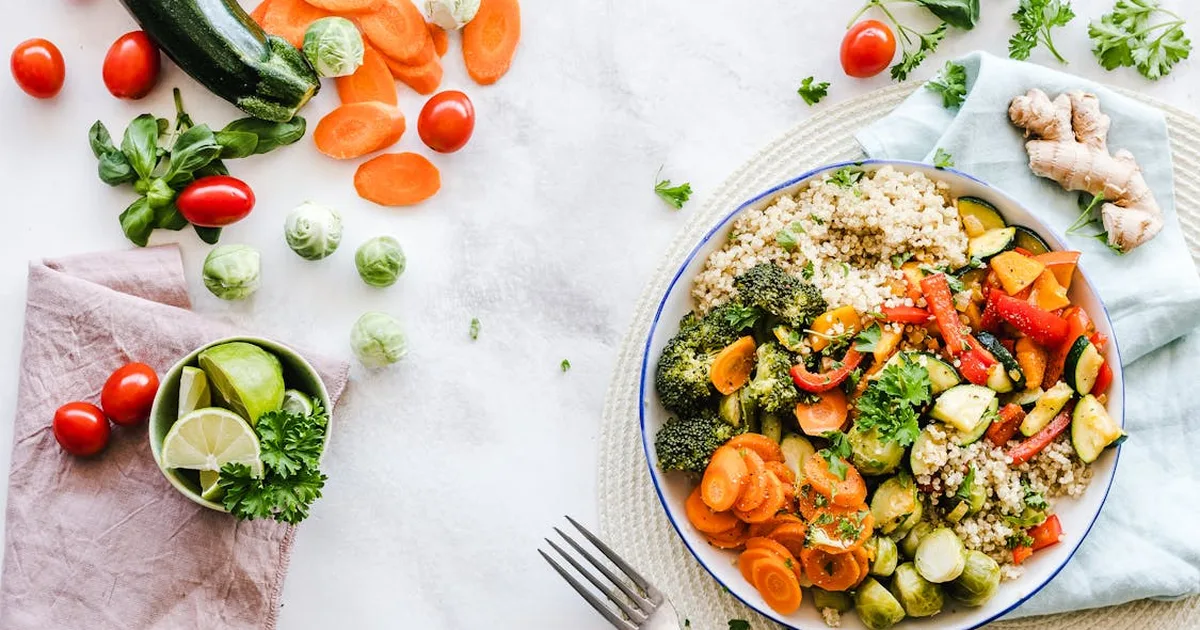
Food delivery business registration in India requires a combination of food safety licences, tax registrations, and business entity formation before you can legally accept your first order. At minimum, you need FSSAI registration (starting at ₹100/year for basic registration), GST registration if your turnover exceeds ₹20 lakh, and a business entity such as a sole proprietorship, LLP, or Private Limited Company. Cloud kitchens and home-based food businesses must also obtain a trade licence from the local municipal body. The entire registration process takes 15 to 45 days and costs between ₹4,600 and ₹25,100 depending on your business model, location, and scale. This guide covers every licence, permit, cost, and compliance requirement for starting a food delivery business, cloud kitchen, or home kitchen operation in India.
- FSSAI registration is mandatory for every food business; Basic Registration costs ₹100/year, State Licence costs ₹2,000 to ₹5,000/year
- Cloud kitchens and food delivery services pay 5% GST without Input Tax Credit on restaurant services
- You need a separate FSSAI licence for each kitchen location, but multiple brands from one kitchen need only one licence
- Swiggy and Zomato require a valid FSSAI number and GST registration before onboarding any restaurant partner
- Total registration cost for a cloud kitchen ranges from ₹4,600 to ₹25,100 across all licences and permits
Food Delivery Business Models in India
Before you begin registration, identify which food delivery model fits your operation. Each model has different registration requirements, FSSAI licence types, and compliance obligations. India's food delivery market crossed ₹60,000 crore in 2025 according to NRAI (National Restaurant Association of India), and the cloud kitchen segment alone accounts for over ₹15,000 crore of that figure.
Cloud Kitchen (Delivery-Only Kitchen)
A cloud kitchen is a commercial food preparation facility that serves customers exclusively through delivery. There is no dine-in area, no storefront, and no walk-in counter. Cloud kitchens operate from rented commercial spaces or shared kitchen facilities and depend entirely on food delivery platforms or their own ordering systems. Think of a cloud kitchen as a factory for food: the production happens behind the scenes, and the product reaches customers through delivery channels. This model needs an FSSAI State Licence (if turnover exceeds ₹12 lakh), GST registration, trade licence, and Fire Safety NOC.
Home Kitchen (Cottage Industry)
Home-based food businesses, including tiffin services, home bakers, and small-batch specialty food producers, fall under the cottage industry category. If your annual turnover stays below ₹12 lakh, you qualify for FSSAI Basic Registration at ₹100 per year. This is the lowest-cost entry point into the food delivery industry. You still need a trade licence from your local municipality and GST registration once turnover crosses ₹20 lakh.
Restaurant Delivery
Existing restaurants adding a delivery channel need to update their FSSAI licence to include delivery operations if not already covered. The restaurant's existing GST registration applies to delivery sales as well, with the same 5% GST rate. Restaurants listing on Swiggy or Zomato must provide their current FSSAI licence number during onboarding.
Aggregator-Based Model
Businesses that partner with Swiggy, Zomato, or other food aggregator platforms must meet the platform's onboarding requirements, which include a valid FSSAI number, GST registration, and a bank account linked to the business entity. The aggregator collects 5% GST on deliveries and remits it to the government. You still need all underlying registrations (FSSAI, GST, entity, trade licence) independently.
FSSAI Registration vs FSSAI Licence: Which One Do You Need?
The Food Safety and Standards Authority of India (FSSAI) issues three types of approvals based on business size and turnover. Every food business operator (FBO) in India must hold at least one of these before selling, storing, distributing, or manufacturing food. The approval type directly affects your fees, compliance burden, and renewal cycle. Choosing the wrong category triggers penalties and delays your aggregator onboarding.
| Parameter | Basic Registration | State Licence | Central Licence |
|---|---|---|---|
| Annual Turnover | Below ₹12 lakh | ₹12 lakh to ₹20 crore | Above ₹20 crore |
| Government Fee | ₹100/year | ₹2,000 to ₹5,000/year | ₹7,500/year |
| Validity | 1 to 5 years | 1 to 5 years | 1 to 5 years |
| Applicable For | Home kitchens, small hawkers, petty retailers | Cloud kitchens, mid-size restaurants, food manufacturers | Large chains, importers/exporters, e-commerce food sellers |
| Inspection | No mandatory pre-approval inspection | Premises inspection by state food safety officer | Detailed inspection by FSSAI central team |
| Approval Timeline | 7 working days | 30 to 60 days | 60 to 90 days |
| Apply Through | FoSCoS portal (foscos.fssai.gov.in) | FoSCoS portal | FoSCoS portal |
| FSSAI Number Format | 14-digit number | 14-digit number | 14-digit number |
Most cloud kitchens and food delivery startups begin with a State Licence because their projected turnover exceeds ₹12 lakh within the first year of operations. Home bakers and small tiffin services can start with Basic Registration and upgrade through the FoSCoS portal when turnover grows.
FSSAI operates under the Food Safety and Standards Act, 2006. All registration and licensing provisions are governed by the Food Safety and Standards (Licensing and Registration of Food Businesses) Regulations, 2011. Applications are processed online at foscos.fssai.gov.in.
Get Your FSSAI Registration for Your Food Business
IncorpX handles FSSAI Basic Registration, State Licence, and Central Licence applications with complete document preparation and FoSCoS filing.
Apply for FSSAI RegistrationFSSAI Requirements Specific to Cloud Kitchens
Cloud kitchens face stricter FSSAI scrutiny than traditional restaurants because there is no customer-facing area for regulators or patrons to visually assess hygiene. FSSAI food safety officers evaluate cloud kitchens based on the following requirements during inspection:
- Separate licence per premises: Each physical kitchen location needs its own FSSAI licence. Operating from 3 locations means 3 separate licences.
- Multiple brands, one licence: If you run 4 different brand names from a single kitchen address, one FSSAI licence covers all brands. List each brand name on the application.
- Kitchen hygiene standards: Proper ventilation, pest control systems, separate areas for raw and cooked food storage, temperature-controlled storage, and stainless steel work surfaces.
- Water testing: Potable water used in food preparation must be tested by an NABL-accredited laboratory. FSSAI may ask for the water test report during inspection.
- Food handler training: All kitchen staff must undergo food safety training. FSSAI offers a free online Food Safety Training and Certification (FoSTaC) programme for food handlers.
- Waste disposal system: A documented waste management plan covering wet waste, dry waste, and cooking oil disposal.
- Recall plan: A documented procedure for recalling food products if contamination is detected.
Operating multiple kitchen locations under a single FSSAI licence is the most common violation among cloud kitchen operators. FSSAI has increased enforcement since 2024, and inspectors now cross-check delivery addresses on Swiggy and Zomato against FSSAI licence addresses. Penalty for this violation: up to ₹5 lakh fine under Section 63 of the FSS Act, 2006.
GST Registration for Food Delivery Businesses
GST registration is mandatory for any food business with annual turnover exceeding ₹20 lakh (₹10 lakh for businesses in special category states like Manipur, Mizoram, Nagaland, and Tripura). Even if your turnover is below the threshold, you need GST registration to list on Swiggy or Zomato, since both platforms require a valid GSTIN during partner onboarding.
GST Rates for Food Services
The GST structure for food businesses depends on the type of service:
- Restaurant services (dine-in and delivery): 5% GST without ITC. This applies to all standalone restaurants, cloud kitchens, and food delivery operations.
- Outdoor catering: 18% GST with ITC. Applicable when you provide catering at the customer's premises for events.
- Composition scheme: Restaurants with annual turnover below ₹1.5 crore can opt for the GST composition scheme and pay a flat 5% GST with simplified quarterly returns (Form CMP-08 instead of monthly GSTR-1 and GSTR-3B).
- Food delivery by aggregators: Since January 1, 2022, Swiggy and Zomato are classified as e-commerce operators under GST. They collect 5% GST at the point of delivery and remit it directly to the government.
Based on our experience helping 2,000+ food businesses with GST registration, the biggest mistake new cloud kitchen owners make is not registering for GST before their Swiggy or Zomato onboarding. Both platforms now reject partner applications without a valid GSTIN, adding 3 to 7 days to your launch timeline. Register for GST during your entity formation stage, not after.
GST Return Filing for Food Businesses
Once registered, you must file the following returns through the GST portal (www.gst.gov.in):
- GSTR-1: Monthly details of outward supplies (sales). Due by the 11th of the following month.
- GSTR-3B: Monthly summary return with tax payment. Due by the 20th of the following month.
- GSTR-9: Annual return summarizing all transactions. Due by December 31st of the following financial year.
Register for GST Before You Launch
IncorpX completes GST registration for food businesses in 3 to 7 working days with zero government fee.
Start GST RegistrationChoosing the Right Business Entity for Food Delivery
Your choice of business entity affects liability, taxation, funding potential, and compliance costs. Here is how each option works for food delivery businesses:
Sole Proprietorship
Best for: home-based food businesses and single-person cloud kitchens with annual revenue under ₹40 lakh. Lowest registration cost (₹500 to ₹1,000 for Udyam registration). No annual compliance filings beyond GST returns and income tax. The owner bears unlimited personal liability for all business debts.
Limited Liability Partnership (LLP)
Best for: 2 or more co-founders running a cloud kitchen with moderate investment. LLP registration costs ₹3,000 to ₹7,000. Partners enjoy limited liability protection. Annual compliance includes filing Form 8 (Statement of Accounts) and Form 11 (Annual Return) with the MCA. LLPs suit food businesses that do not plan to raise equity funding from investors.
Private Limited Company (Pvt Ltd)
Best for: cloud kitchen chains, multi-brand food delivery operations, and businesses planning to raise funding from angel investors or VCs. Private Limited Company registration costs ₹6,000 to ₹15,000. Compliance costs are higher (₹15,000 to ₹50,000/year), but this structure provides the strongest liability protection, tax planning options, and investor confidence. Every cloud kitchen brand that has raised venture capital in India operates as a Pvt Ltd.
If you are starting with one kitchen and testing the market, begin as a sole proprietorship. You can always convert to an LLP or Pvt Ltd later without losing your FSSAI or GST registrations. The registrations stay with the business; you simply update the entity details on the FSSAI and GST portals after conversion.
Swiggy and Zomato: Aggregator Registration Requirements
Why do aggregator platforms like Swiggy and Zomato insist on FSSAI before onboarding? Because they face penalties too if their partner restaurants operate without valid food safety credentials. Both platforms have standardised their onboarding process, and the registration requirements are nearly identical.
Documents Required for Aggregator Onboarding
- FSSAI registration or licence: A 14-digit FSSAI number is non-negotiable. Both platforms display this number on the restaurant listing page.
- GST registration certificate: A valid GSTIN is required for tax collection at source (TCS) by the platform.
- Bank account details: A current account in the business name for receiving payouts (settlements happen weekly for most partners).
- PAN card: PAN of the individual (proprietor) or the business entity.
- Menu with pricing: Complete menu with item names, descriptions, and prices. The platform reviews this for compliance with FSSAI labelling norms.
- Kitchen photographs: Images of the kitchen interior, cooking area, and food preparation zone.
The onboarding process takes 5 to 10 working days from application to the first live order. Swiggy charges a commission of 15% to 25% per order, and Zomato charges 18% to 25%, depending on your agreement and city tier.
Register Your Business Entity First
A Private Limited Company or LLP gives your food delivery brand a professional identity for aggregator onboarding.
Register Your CompanyAdditional Licences and Permits for Food Delivery
Beyond FSSAI and GST, food delivery businesses need 3 to 4 additional permits depending on the city, kitchen size, and cooking equipment used. Skipping any of these invites a shutdown notice from local authorities.
Trade Licence from Municipal Authority
Every commercial food operation requires a trade licence from the local municipal corporation, nagar palika, or panchayat. This licence confirms that your business location is zoned for commercial food preparation. Fees range from ₹500 to ₹5,000 depending on the city and kitchen area. The trade licence must be renewed annually. In metro cities like Mumbai, Delhi, and Bengaluru, apply through the municipal corporation's online portal.
Fire Safety NOC
Cloud kitchens using commercial cooking equipment (gas burners, tandoors, deep fryers) must obtain a Fire Safety No Objection Certificate (NOC) from the local fire department. The application requires a fire safety plan, details of fire extinguishers installed, emergency exit routes, and proof of fire-resistant construction materials. Fees range from ₹500 to ₹5,000. Kitchens above 500 sq ft in commercial buildings typically need this NOC, though requirements vary by state.
Shops and Establishment Act Registration
Cloud kitchens with employees must register under the Shops and Establishment Act of their respective state. This registration governs working hours, employee benefits, and leave policies. Apply to the local labour department within 30 days of starting operations. Fees range from ₹500 to ₹3,000. This is a one-time registration with annual renewal in most states.
Pollution NOC (Conditional)
If your cloud kitchen uses coal-fired tandoors, wood-burning ovens, or generates significant smoke/fumes, you may need a Pollution NOC from the State Pollution Control Board. Kitchens using only LPG or electric cooking equipment are generally exempt. Check with your state's pollution control board for specific applicability in your area.
Step-by-Step Cloud Kitchen Registration Process
Here is the complete sequence for registering a cloud kitchen in India, from entity formation to your first delivery order. Follow these steps in order, because each registration feeds into the next. Getting the sequence wrong means delays at the aggregator onboarding stage.
- Finalise your kitchen location: Secure a commercial space (rented or owned) with proper ventilation, drainage, and water supply. Residential properties can be used for home kitchens under FSSAI Basic Registration, but cloud kitchens typically need a commercial address.
- Register your business entity: Choose between sole proprietorship (Udyam registration), LLP, or Private Limited Company based on your budget and growth plans. This takes 2 to 15 days depending on the entity type.
- Apply for FSSAI registration or licence: Log in to FoSCoS (foscos.fssai.gov.in), fill the application, upload documents, and pay the fee. Basic Registration: 7 days. State Licence: 30 to 60 days. Keep the 14-digit FSSAI number ready for all future registrations.
- Register for GST: Apply on the GST portal (www.gst.gov.in) using your entity PAN, Aadhaar, bank account details, and business address proof. Approval takes 3 to 7 working days. No government fee is charged for GST registration.
- Obtain a trade licence: Apply to the local municipal corporation with your FSSAI registration copy, entity documents, and premises address proof. Processing takes 7 to 15 days.
- Get Fire Safety NOC (if applicable): Submit a fire safety plan and kitchen layout to the local fire department. Inspection and approval take 7 to 21 days.
- Register under the Shops and Establishment Act: Apply at the local labour department within 30 days of starting operations. This takes 3 to 7 days in most states.
- Apply for MSME/Udyam registration: If you qualify as a micro or small enterprise, get MSME registration for benefits including priority sector lending, lower interest rates, and government tender preference. This is free and instant on the Udyam portal.
- Register on Swiggy, Zomato, or your delivery platform: Upload your FSSAI number, GSTIN, bank details, menu, and kitchen photos. Complete the platform's verification process. Go live in 5 to 10 working days.
Get All Your Food Business Registrations Done Together
IncorpX handles FSSAI, GST, entity registration, and MSME filing for food delivery businesses in a single package.
Get StartedTotal Registration Cost Breakdown for a Cloud Kitchen
How much does it actually cost to register a cloud kitchen in India? The answer depends on your entity type, FSSAI licence category, and city. Here is the complete cost breakdown covering every government fee and professional charge:
| Registration/Licence | Government Fee (₹) | Professional Fee (₹) | Total Range (₹) |
|---|---|---|---|
| Sole Proprietorship (Udyam) | 0 | 500 to 1,000 | 500 to 1,000 |
| LLP Registration | 1,500 to 3,000 | 2,000 to 4,000 | 3,500 to 7,000 |
| Private Limited Company | 2,000 to 4,000 | 4,000 to 11,000 | 6,000 to 15,000 |
| FSSAI Basic Registration | 100/year | 1,500 to 2,000 | 1,600 to 2,100 |
| FSSAI State Licence | 2,000 to 5,000/year | 2,000 to 5,000 | 4,000 to 10,000 |
| GST Registration | 0 | 1,000 to 3,000 | 1,000 to 3,000 |
| Trade Licence | 500 to 5,000 | 500 to 1,000 | 1,000 to 6,000 |
| Fire Safety NOC | 500 to 5,000 | 500 to 2,000 | 1,000 to 7,000 |
| Shops and Establishment | 500 to 3,000 | 500 to 1,000 | 1,000 to 4,000 |
| MSME/Udyam Registration | 0 | 0 (self-service) | 0 |
| Total (Proprietorship + State FSSAI) | ₹8,600 to ₹32,100 | ||
| Total (Pvt Ltd + State FSSAI) | ₹15,000 to ₹48,000 |
These costs cover registration and licencing only. They do not include kitchen setup, equipment, rent, or inventory costs. The government fee for GST registration is zero; the cost shown above reflects professional charges for application filing and documentation.
Violations, Penalties, and How to Avoid Them
The Food Safety and Standards Act, 2006 prescribes strict penalties for food businesses that operate without proper licences or violate hygiene norms. With FSSAI and state food safety departments increasing enforcement through surprise inspections and aggregator data cross-checks, non-compliance carries real financial and legal risk.
Operating without FSSAI: Fine up to ₹5 lakh under Section 63, FSS Act, 2006.
Substandard food (not unsafe): Fine up to ₹5 lakh under Section 50.
Unsafe or adulterated food: Fine up to ₹10 lakh and/or imprisonment up to 6 years under Section 49, 50.
Misleading labelling: Fine up to ₹3 lakh under Section 52.
GST non-compliance: Late filing penalty of ₹50/day (CGST + SGST), interest at 18% per annum on unpaid tax.
Operating without trade licence: Penalty varies by municipal corporation; can include business closure order.
How FSSAI Enforces Compliance
FSSAI food safety officers conduct both scheduled and surprise inspections of food businesses. Since 2024, FSSAI has also started cross-referencing Swiggy and Zomato restaurant listings with FSSAI licence databases. If a restaurant is listed on these platforms without a valid FSSAI number, both the restaurant and the aggregator can face action. Cloud kitchens in metro cities like Delhi, Mumbai, Bengaluru, and Hyderabad face more frequent inspections than those in tier-2 and tier-3 cities.
Five Common Violations to Avoid
- Using one FSSAI licence for multiple locations: Each kitchen address needs its own licence. No exceptions.
- Not displaying the FSSAI number: Your 14-digit FSSAI number must be printed on all food packaging and displayed at the kitchen premises.
- Expired FSSAI licence: Apply for renewal at least 30 days before the expiry date through the FoSCoS portal.
- No food handler training records: Maintain FoSTaC certificates for all kitchen staff.
- Incomplete GST return filing: File GSTR-1 and GSTR-3B every month, even if there are zero transactions in a given month.
Stay Compliant with Monthly GST Return Filing
Avoid late filing penalties. IncorpX files GSTR-1, GSTR-3B, and GSTR-9 for food businesses at competitive rates.
Start GST Return FilingOngoing Compliance Calendar After Registration
Registration is only the starting line. Running a food delivery business in India means meeting recurring compliance deadlines throughout the year. Missing any of these results in penalties, licence suspension, or aggregator delisting. Here is the full compliance schedule:
| Compliance | Frequency | Due Date / Deadline | Penalty for Non-Compliance |
|---|---|---|---|
| GST Return (GSTR-1) | Monthly | 11th of the following month | ₹50/day (₹25 CGST + ₹25 SGST), max ₹10,000 |
| GST Return (GSTR-3B) | Monthly | 20th of the following month | ₹50/day + 18% interest on unpaid tax |
| GST Annual Return (GSTR-9) | Annual | December 31st | ₹200/day (₹100 CGST + ₹100 SGST), capped at 0.25% of turnover |
| FSSAI Licence Renewal | As per validity (1 to 5 years) | 30 days before expiry | ₹100/day late renewal fee; licence suspension after 90 days |
| Income Tax Return | Annual | July 31st (non-audit) / October 31st (audit cases) | ₹5,000 late fee (₹1,000 if income < ₹5 lakh) |
| Trade Licence Renewal | Annual | Before expiry (varies by city) | Late fee + business closure risk |
| Food Handler Health Checkup | Annual | Within 12 months of last checkup | FSSAI inspection failure; licence suspension risk |
| Water Testing Report | Bi-annual (recommended) | Every 6 months | FSSAI inspection non-compliance |
| MCA Annual Filing (LLP/Pvt Ltd only) | Annual | October 30th (LLP Form 11), November 29th (LLP Form 8) | ₹100/day penalty for late MCA filings |
For proprietorships, the compliance list is shorter: GST returns, income tax, FSSAI renewal, and trade licence renewal. LLPs and Pvt Ltd companies add MCA annual filings. The key takeaway: set up a compliance calendar on day one, not after the first penalty notice arrives.
Summary
Starting a food delivery or cloud kitchen business in India requires FSSAI registration (₹100 to ₹7,500/year), GST registration, a trade licence, and the right business entity. The total registration cost ranges from ₹4,600 to ₹48,000 depending on your entity type and FSSAI licence category. Complete all registrations before listing on Swiggy or Zomato to avoid delays. Once registered, stay on top of monthly GST returns, annual FSSAI renewal, and food safety inspections to keep your business compliant and operational.
Register Your Food Delivery Business with IncorpX
Get FSSAI, GST, entity registration, and MSME filing handled by experts. Talk to an IncorpX advisor today.
Get a Free ConsultationFrequently Asked Questions
What is FSSAI registration?
What is the difference between FSSAI registration and FSSAI licence?
What are the types of food delivery business models in India?
What GST rate applies to food delivery services in India?
Is FSSAI mandatory for home-based food businesses?
Do I need separate FSSAI licences for multiple cloud kitchens?
What is the FoSCoS portal used for?
What is the Food Safety and Standards Act, 2006?
How to apply for FSSAI registration online?
How to register a cloud kitchen on Swiggy or Zomato?
How to get a trade licence for a food business?
What is the step-by-step process to start a cloud kitchen?
How to file GST returns for a food delivery business?
How much does FSSAI registration cost in 2026?
What is the total cost to start a cloud kitchen in India?
What documents are required for FSSAI licence?
- Identity proof (Aadhaar or PAN) of the food business operator
- Business entity registration certificate
- Address proof of the kitchen premises
- Food safety management plan
- List of food products to be handled
- Water testing report from an NABL-accredited lab
- NOC from the local municipality





 Nebin Binoy







